

Retail Fulfillment Solutions: How 3PLs Help Brands Win at Omnichannel Retail
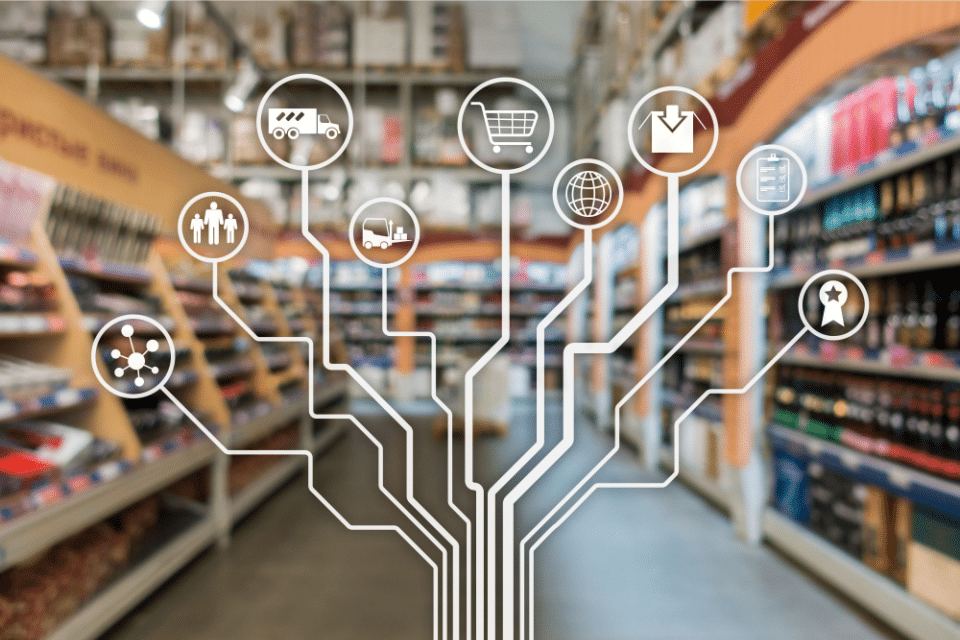
Omnichannel third party logistics (3PL) providers help brands consolidate inventory and order management across direct-to-consumer, retail, and wholesale channels. By leveraging integrated retail fulfillment solutions, companies improve inventory visibility, meet strict retailer compliance standards, reduce shipping costs, and deliver seamless customer experiences.
As shopping behaviors evolve, modern brands face intense pressure to deliver products quickly and accurately across an increasingly fragmented landscape. Successful companies no longer operate in single-channel silos. Instead, leading brands manage complex logistics networks spanning e-commerce storefronts, physical retail locations, digital marketplaces, and wholesale distribution partners.
Rising consumer expectations demand complete order visibility, rapid delivery speeds, and zero fulfillment errors. Traditional logistics models simply cannot keep pace with this level of operational complexity. To meet these high standards without sacrificing profit margins, growing businesses increasingly rely on omnichannel fulfillment services
Partnering with an experienced omnichannel third party logistics provider allows brands to scale operations efficiently. By centralizing inventory and automating order orchestration, modern logistics partners protect profit margins, maintain retailer relationships, and strengthen brand reputation across every touchpoint.
What are retail fulfillment solutions?
Retail fulfillment solutions encompass the people, processes, technology, and infrastructure required to receive, store, manage, process, and distribute inventory to retail partners and end consumers. Modern operations must remain agile enough to support physical retail stores, distributors, ecommerce channels, digital marketplaces, and wholesale programs simultaneously.
By integrating specialized order fulfillment services, businesses can eliminate bottlenecks and ensure products reach their final destinations on time and in perfect condition.
Retail Fulfillment vs. Ecommerce Fulfillment
While retail fulfillment and omnichannel ecommerce fulfillment operate differently, the two models are increasingly interconnected.
Retail fulfillment focuses primarily on:
- Bulk store replenishment
- B2B compliance requirements
- Wholesale distribution
This involves shipping large, palletized orders to distribution centers or physical storefronts. Conversely, omnichannel ecommerce fulfillment centers on:
- Processing and shipping individual parcels directly to consumers.
An effective omnichannel strategy merges both operational models, utilizing shared inventory strategies to maximize stock utilization and prevent costly stockouts across all channels.
Why Omnichannel Retail Requires a Different Approach
Traditional fulfillment models struggle significantly when a single pool of inventory serves multiple sales channels. Managing modern logistics requires complete inventory visibility and intelligent order orchestration.
Each sales channel carries channel-specific requirements. A direct-to-consumer order demands branded packaging and rapid shipping, while a wholesale order demands strict adherence to routing guides and bulk labeling standards. Without a specialized approach, brands risk delayed shipments, frustrated customers, and costly retailer penalties.
How Omnichannel 3PLs Simplify Inventory and Order Management
An experienced omnichannel 3PL centralizes both inventory and order management across all active sales channels. This unified approach eliminates the need to silo inventory for specific retailers or web stores, allowing brands to allocate products dynamically based on real-time demand.
Centralized fulfillment execution provides massive operational benefits, reducing overhead costs and accelerating order cycle times. Brands that leverage comprehensive omnichannel fulfillment streamline their entire supply chain, empowering internal teams to focus on product development and marketing rather than warehouse management.
Creating a Single Source of Inventory Truth
A lack of inventory visibility leads to:
- Stockouts
- Overselling
- Bloated safety stock
Omnichannel 3PLs solve this problem by providing a single source of inventory truth.
Warehouse management systems continuously sync data across platforms, offering real-time inventory updates. This visibility allows brands to establish accurate safety stock management protocols and execute precise inventory allocation by channel. When companies know exactly what products sit on the warehouse shelves, they can forecast demand accurately and optimize their purchasing cycles.
Managing Orders Across Multiple Sales Channels
Centralized operations dramatically reduce supply chain complexity while simultaneously improving service levels. Top-tier logistics providers manage the nuances of different sales channels under one roof. For wholesale and retail partners, providers utilize robust B2B fulfillment processes to handle bulk shipping and compliance. For individual shoppers, providers execute precise direct to consumer fulfillment, ensuring unboxing experiences meet consumer expectations. Managing all orders through a single provider ensures consistent quality control and simplifies vendor management.
Looking for solutions to help successfully scale your brand across multiple channels? Reach out for a consultation and insights.
How Retail Fulfillment Services Improve Operational Performance
Retail fulfillment services:
- Directly improve operational efficiency
- Reduce costly errors
- Support scalable growth
Fulfillment execution is fundamentally tied to both retailer satisfaction and brand profitability. By utilizing omnichannel 3PL services, brands can optimize critical supply chain metrics. Businesses routinely see immediate improvements in order accuracy, lower overall shipping costs, and significantly faster order cycle times.
Meeting Retailer Compliance Requirements
Retail compliance failures lead to expensive penalties and damaged retailer relationships. For instance, many major retailers enforce On-Time In-Full (OTIF) programs that carry a (percentage) penalty on the cost of goods for non-compliant shipments.
A specialized 3PL helps brands navigate these complex vendor guidelines. Logistics providers handle critical Electronic Data Interchange (EDI) requirements and Advance Shipping Notice (ASN) transmissions. They also ensure strict adherence to labeling standards and packaging requirements, driving OTIF performance upward and acting as a primary mechanism for chargeback prevention.
Reducing Shipping Costs and Delivery Times
Fulfillment network design directly influences transportation performance. Omnichannel 3PLs utilize distributed fulfillment models, placing inventory in multiple facilities strategically located near major customer hubs.
This smart inventory positioning reduces the physical distance packages must travel, cutting transit times and lowering postage zones. Furthermore, 3PLs leverage deep carrier networks and advanced transportation management systems to execute carrier optimization, ensuring every package ships via the most cost-effective and reliable method available.
The Role of Technology in Omnichannel Fulfillment
Technology serves as the backbone of modern logistics, providing the inventory visibility, order tracking, and operational control necessary to manage complexity. The focus of fulfillment technology is not just on software features, but on tangible business outcomes like inventory accuracy, retailer compliance, and customer satisfaction.
Modern fulfillment relies heavily on seamless Warehouse Management System (WMS) and Order Management System (OMS) integrations. These integrations connect ecommerce platforms, ERP systems, and retail portals directly to the warehouse floor. Consequently, brands gain access to comprehensive reporting dashboards that highlight operational trends, track costs, and identify areas for strategic improvement.
How Fulfillment Performance Impacts Customer Experiences
Fulfillment serves as one of the most important drivers of customer satisfaction and retention. When a consumer clicks the purchase button, the brand makes a silent promise to deliver the right product, on time, and without damage.
Late deliveries, incorrect items, or damaged packaging immediately erode trust. Conversely, fast, accurate, and transparent fulfillment operations delight customers. High-performing
fulfillment execution connects directly to positive brand reputation, generating repeat purchases and fostering long-term customer loyalty.
Partner With an Omnichannel Fulfillment Company Built for Growth
Scaling a brand across multiple sales channels requires an agile, experienced logistics partner. FIDELITONE operates as a strategic omnichannel fulfillment company focused on helping ambitious brands grow profitably.
Founded in 1929, FIDELITONE brings nearly 100 years of experience to the modern supply chain. The company designs customized fulfillment solutions supported by dedicated account management teams and highly scalable fulfillment networks. By partnering with FIDELITONE, brands gain the infrastructure, technology, and expertise needed to outpace competitors and win at omnichannel retail. Learn more about us and discover how strategic fulfillment drives business success.
Do you need a 3PL partner to help you navigate omnichannel fulfillment? Let’s talk about it.
Frequently Asked Questions
What are retail fulfillment solutions?
Retail fulfillment solutions are the operational processes, technologies, people, and facilities used to store inventory, process orders, and distribute products to physical retail stores, wholesale buyers, and individual consumers.
What is omnichannel fulfillment?
Omnichannel fulfillment is a centralized logistics strategy that manages inventory and processes orders across multiple sales channels simultaneously, including e-commerce websites, physical retail locations, wholesale networks, and digital marketplaces.
How does a 3PL support omnichannel retail?
A third-party logistics (3PL) provider supports omnichannel retail by housing all inventory in centralized fulfillment centers, integrating with multiple sales platforms, managing channel-specific packaging rules, and negotiating discounted shipping rates through carrier optimization.
How do omnichannel fulfillment services improve inventory visibility?
Omnichannel fulfillment services improve inventory visibility by connecting sales channels directly to a centralized warehouse management system (WMS). This integration provides real-time data on stock levels, preventing overselling and ensuring accurate safety stock allocation.
How do 3PLs help brands meet retailer compliance requirements?
3PLs help brands meet retailer compliance requirements by executing precise EDI communications, applying retailer-specific routing labels, adhering to customized packaging guidelines, and meeting strict delivery windows to prevent costly chargebacks.
What should brands look for in an omnichannel fulfillment company?
Brands should look for an omnichannel fulfillment company that offers seamless technology integrations, distributed warehouse networks, extensive B2B compliance experience, real-time reporting dashboards, and dedicated account management to support long-term growth.
FIDELITONE helps you earn customers’ loyalty through specialized services in inbound logistics, order fulfillment, last mile delivery and service parts management.
Newsletter Sign Up
Recent Posts
-
Shipping to UNFI or KeHE? 3 Fulfillment Challenges Growing Brands Should Prepare For
Growing from a direct-to-consumer (DTC) brand into retail distribution is an exciting milestone. Working with…
-
Parcel Peak Season 2026: Surcharges, Shipping Costs and What to Plan for 2027
Parcel peak season is approaching, and carriers have announced demand surcharges and temporary price increases…
-

What is Kitting? How Kitting Services Boost Your Business
Modern fulfillment is about more than shipping products from Point A to Point B. Businesses…
Are you interested in order fulfillment or last mile delivery services? Consult with a FIDELITONE expert to discuss how we can help.