

The Fulfillment Infrastructure Needed to Support Omnichannel Growth
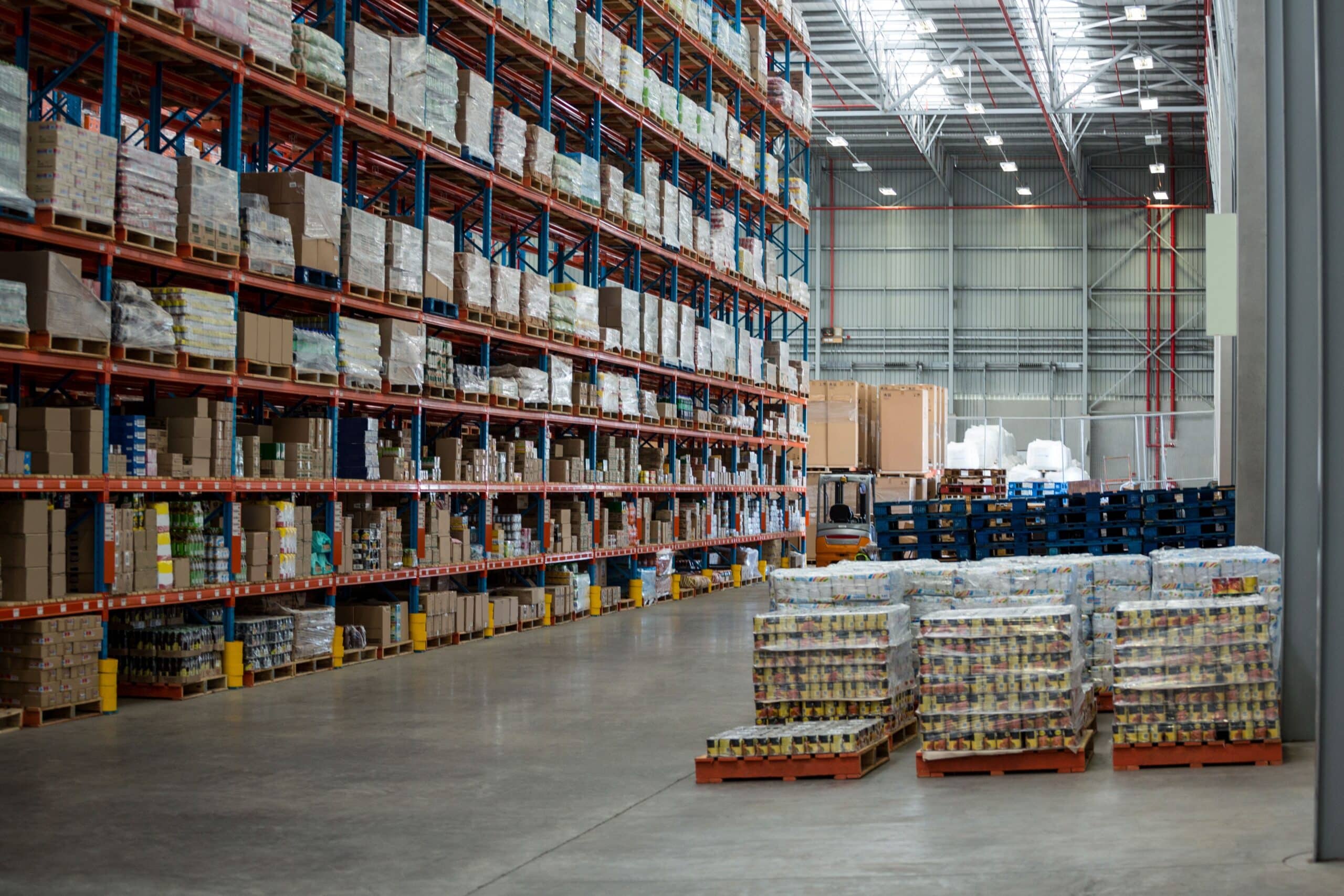
Expanding into new sales channels creates opportunities for brands to reach more customers, but it also introduces new fulfillment requirements. A company that once sold primarily through its ecommerce website may eventually need to support marketplaces, retail distribution, B2B customers and social commerce, each with different expectations for how orders are processed and delivered.
Research from the MIT Center for Transportation & Logistics found that omnichannel strategy adoption increased from 50% to 60% year over year, highlighting the growing focus on serving customers across multiple channels.
As order volumes, SKUs and geographic reach increase, the infrastructure behind fulfillment must be able to adapt. Supporting omnichannel growth requires connected technology, accurate inventory visibility, scalable warehouse capacity and operational processes that accommodate different sales channels while maintaining fulfillment performance.
Key Takeaways
- Omnichannel growth introduces new operational requirements. Expanding into additional channels increases demands on inventory management, order processing, warehouse capacity and transportation.
- Connected technology and inventory visibility support better decisions. Integrations between sales channels, business systems and fulfillment operations help brands maintain accurate order and inventory information.
- Different sales channels require different fulfillment processes. D2C, marketplace, retail and B2B orders can have unique picking, packing, shipping and compliance requirements.
- Scalable infrastructure supports continued growth. Flexible labor planning, warehouse processes, fulfillment center locations and transportation capabilities help brands accommodate changing demand.
What Is Omnichannel Fulfillment?
Omnichannel fulfillment coordinates inventory and order execution across multiple sales channels, including ecommerce websites, online marketplaces, social commerce, retail and B2B distribution. Rather than managing each channel as a separate operation, an omnichannel approach connects technology, inventory, warehouse processes and transportation to support different order requirements.
For growing brands, omnichannel fulfillment services can help maintain visibility and operational consistency as sales channels grow.
Why Omnichannel Growth Creates Fulfillment Complexity
An operation built around one sales channel may not have the infrastructure needed to support several. Consider a brand that initially fulfills individual consumer orders through its ecommerce website. Moving into retail distribution may introduce larger case or pallet shipments, specialized labeling, routing requirements and delivery appointments. Adding marketplaces can bring additional shipping deadlines, inventory requirements and service-level expectations.
As brands introduce more products and channels, these differences place greater demands on warehouse capacity, labor, technology and transportation. Inventory may need to support several order types, while fulfillment teams must maintain accuracy and processing speed across changing volumes. Without connected systems and adaptable processes, brands can become increasingly reliant on manual work or struggle to maintain consistent service levels.
What Infrastructure Does an Omnichannel Fulfillment Strategy Require?
An effective omnichannel fulfillment strategy connects technology, inventory management, warehouse capacity, operational processes and transportation. Each component serves a different purpose, but they must work together to support accurate and efficient order execution across channels.
Connected Order and Fulfillment Technology
As brands grow, their technology must support orders coming from different platforms and business systems. A company using Shopify for ecommerce may also need to exchange information with retail trading partners, online marketplaces and enterprise resource planning (ERP) systems. These connections must communicate order details, inventory availability, shipping instructions and fulfillment updates without creating unnecessary manual work.
Order management systems (OMS) coordinate how orders are received, prioritized, allocated and routed for fulfillment. Depending on client requirements, these capabilities can help determine which location processes an order, manage inventory exceptions or coordinate split shipments. Warehouse management systems (WMS) support the physical execution of those orders, including inventory tracking, picking, packing and shipping. Together, these capabilities connect sales channel requirements with warehouse operations.
FIDELITONE supports order management capabilities such as order prioritization, exception management, order orchestration and split or partial shipments. Its warehouse management technology supports inventory tracking and fulfillment execution, while integrations connect client systems with order and warehouse information. FIDELITONE works with platforms and systems including Shopify, BigCommerce, NetSuite, QuickBooks and SPS Commerce, using electronic data interchange (EDI), application programming interfaces (APIs) and custom file formats. These connections help accommodate different technology environments as brands add sales channels.
For example, FIDELITONE supported a client managing both ecommerce and B2B orders that needed to connect fulfillment activity with QuickBooks. Shopify supported the client’s consumer orders, while B2B orders could be entered through FIDELITONE’s client portal. Connecting these order sources with QuickBooks allowed the client to automate invoice creation instead of manually transferring information between systems.
Successful integrations also require planning. Brands and their fulfillment partners should clearly document product information, order formats, shipping methods, inventory requirements and the data that needs to move between systems. Working with a 3PL that offers flexible fulfillment technology integrations and collaborates on implementation requirements can help brands prepare for future expansion while reducing unnecessary manual processes.
Real-Time Inventory Visibility
Managing inventory becomes more challenging when multiple sales channels draw from shared or distributed inventory. Brands need accurate information about what inventory is available, where it is located and which orders it can support. Without reliable visibility, businesses risk accepting orders for unavailable products, making inaccurate inventory commitments or missing delivery expectations. In retail distribution, inventory discrepancies can also contribute to retailer chargebacks and strained trading partner relationships.
While brands typically determine how inventory is allocated across channels and customers, their fulfillment partner plays an important role in supporting those decisions. FIDELITONE works collaboratively with clients to provide inventory information, identify potential stockouts and communicate operational considerations that may affect fulfillment. Teams can also coordinate adjustments across fulfillment locations when inventory availability or customer requirements change.
Connected systems provide another layer of inventory accuracy. For example, FIDELITONE supports inventory reconciliation processes that compare warehouse records with information maintained in a client’s ERP system. In an operation using SAP, inventory data is exchanged to identify discrepancies between the systems that require investigation. This helps teams address inventory differences before they affect fulfillment planning and allocation decisions.
FIDELITONEView, FIDELITONE’s client visibility portal, provides access to inventory levels, order information, fulfillment status and shipment activity. Combined with reporting and communication from the Operations team, this visibility helps clients monitor activity and make informed decisions as demand changes. For brands managing multiple channels, real-time inventory visibility helps coordinate inventory across sales channels and maintain consistent fulfillment execution as demand changes.
Scalable Fulfillment Centers and Warehouse Capacity
As brands grow, fulfillment operations must accommodate increasing order volumes, additional SKUs and changing processing requirements. Scalability depends on more than available warehouse space. Seasonal promotions, product launches and new sales channels can create additional demands on storage configurations, labor and processing capacity.
FIDELITONE supports changing requirements through flexible labor planning, cross-training, demand forecasting and operational improvements. Warehouse teams can adjust storage configurations, optimize product slotting and refine fulfillment workflows as order volumes and client needs change. Value-added services such as kitting, assembly and labeling can also be incorporated as requirements evolve.
A multi-site fulfillment network provides additional options for growth. Distributing inventory across locations can help brands enter new markets, increase capacity and position products closer to customers, potentially reducing shipping distances, transportation costs and transit times. These capabilities provide greater flexibility as distribution needs change.
“Supporting client growth isn’t just about adding warehouse space. It’s about having the people, processes and flexibility to adjust as order volumes, sales channels and fulfillment requirements change.”
— Michael Barela, FIDELITONE Operations
Fulfillment Processes for Different Sales Channels
Although many warehouse processes share a common foundation, fulfillment requirements vary by sales channel. Direct-to-consumer orders typically involve individual-unit picking, branded packaging and parcel shipping. Retail and B2B shipments may require case or pallet picking, specialized labeling, routing guide compliance and scheduled delivery appointments. Supporting these requirements within the same operation calls for processes that accommodate different order profiles.
Marketplace fulfillment introduces additional requirements. Amazon fulfillment programs, for example, may require different preparation and shipping processes depending on whether inventory is sent to Amazon fulfillment centers through Fulfillment by Amazon (FBA) or shipped directly to consumers through seller-managed programs. Similarly, B2B fulfillment for retail partners and wholesale distributors may involve specific case configurations, pallet preparation, EDI transactions and delivery scheduling requirements.
FIDELITONE supports these requirements through channel-specific warehouse processes, documented standard operating procedures and technology that helps maintain accuracy across different order types. That accuracy begins when inventory enters the warehouse, not just when an order is picked. Warehouse management technology, barcode scanning and scannable storage locations help teams validate incoming inventory, support accurate putaway and guide picking and packing activities. Employee training and standardized procedures reinforce these processes, helping teams maintain consistent execution as fulfillment requirements change.
Transportation and Carrier Management
Different sales channels also introduce different transportation requirements. D2C orders typically move through parcel networks, while retail and B2B shipments may require less-than-truckload (LTL) or full truckload transportation. Shipment size, destination, carrier service levels and delivery expectations all influence transportation costs and performance.
Access to a broad carrier network and rate shopping capabilities can help brands make more informed shipping decisions. Rather than relying on a single carrier, businesses can compare rates and service options based on shipment characteristics, destination and delivery requirements. FIDELITONE works with national and regional carriers and offers multi-carrier rate shopping to help identify cost-effective shipping options while maintaining service expectations. This flexibility becomes increasingly important as shipment volumes, destinations and customer requirements change.
For ecommerce brands, transportation decisions can begin at checkout. Consumers expect visibility into shipping costs and available delivery options before completing a purchase. FIDELITONE has also developed a Shopify checkout application that can present carrier service options and shipping rates based on factors such as cost and transit time. This helps brands provide customers with more accurate shipping information while offering flexibility in how orders are delivered.
Beyond checkout, FIDELITONE’s transportation management capabilities help coordinate parcel, LTL and truckload shipments, evaluate carrier options and maintain shipment visibility. Combined with inventory positioning across fulfillment locations, these capabilities help brands manage transportation costs and service expectations as their distribution needs evolve.
Is Your Fulfillment Infrastructure Ready to Scale?
An operation that performs well at current order volumes may struggle as new channels, products or geographic markets are introduced. Before expanding, supply chain and operations leaders should evaluate whether their existing infrastructure can accommodate additional requirements.
Omnichannel Fulfillment Infrastructure Checklist
- Inventory and operational visibility: Can you accurately monitor inventory, order status and fulfillment activity across channels and locations?
- Technology and integrations: Can orders and inventory information move between systems without significant manual processing, and can new channels be connected?
- Warehouse capacity: Can your facilities accommodate increased order volume, additional SKUs and seasonal demand?
- Channel-specific processes: Can your operation support different D2C, marketplace, retail and B2B requirements while maintaining accuracy?
- Transportation capabilities: Can your shipping strategy accommodate different order sizes, destinations and delivery expectations?
- Future growth: Can you expand into new channels or geographic markets without significant operational disruption?
Identifying gaps early helps brands determine where additional technology, processes, capacity or external support may be needed.
When Should a Brand Consider an Omnichannel Fulfillment Provider?
As fulfillment requirements grow, brands must decide whether to expand their internal operations or work with a third-party logistics provider. Maintaining fulfillment in-house can make sense for businesses with the necessary resources and capacity, but adding warehouse space, implementing new systems and supporting different sales channels can require significant investments.
An omnichannel fulfillment provider may be worth evaluating when a brand is expanding into new channels or markets, approaching warehouse capacity limits or struggling to maintain inventory visibility and fulfillment performance. Beyond warehouse space, brands should evaluate a provider’s technology integrations, operational experience, network reach, transportation capabilities and ability to collaborate as requirements change.
Build Fulfillment Infrastructure That Can Grow With Your Business
Successful omnichannel growth depends on the infrastructure supporting each sales channel. Connected technology, inventory visibility, scalable warehouse capacity, channel-specific processes and transportation capabilities help brands manage changing requirements while maintaining fulfillment performance.
FIDELITONE brings together order fulfillment services, technology integrations, inventory visibility and transportation management to support brands across D2C, retail, marketplace and B2B channels. Our teams work collaboratively with clients to accommodate new requirements, support operational performance and plan for continued growth.
Looking to expand your sales channels? Contact FIDELITONE to discuss how our omnichannel fulfillment capabilities can support your business.
Frequently Asked Questions About Omnichannel Fulfillment
What is omnichannel fulfillment?
Omnichannel fulfillment coordinates inventory and order execution across multiple sales channels, including ecommerce, marketplaces, retail, social commerce and B2B distribution.
What infrastructure is needed for omnichannel fulfillment?
Brands need connected order and warehouse management technology, inventory visibility, fulfillment capacity, channel-specific processes, transportation capabilities and operational reporting.
What is an omnichannel fulfillment strategy?
An omnichannel fulfillment strategy defines how inventory, technology, fulfillment locations, operational processes and transportation work together to support orders across different sales channels.
What is the difference between multichannel and omnichannel fulfillment?
Multichannel fulfillment involves processing orders from multiple sales channels, which may operate independently. Omnichannel fulfillment focuses on connecting inventory, systems, fulfillment processes and visibility across those channels.
When should a company consider an omnichannel fulfillment provider?
A company may consider an omnichannel fulfillment provider when moving into new channels or markets, outgrowing warehouse capacity or struggling to maintain inventory visibility and fulfillment performance as operations grow.
FIDELITONE helps you earn customers’ loyalty through specialized services in inbound logistics, order fulfillment, last mile delivery and service parts management.
Newsletter Sign Up
Recent Posts
-
The Fulfillment Infrastructure Needed to Support Omnichannel Growth
Expanding into new sales channels creates opportunities for brands to reach more customers, but it…
-

What Does Good 3PL Communication, Collaboration and Support Look Like?
When evaluating a third-party logistics (3PL) provider, warehouse capabilities, transportation networks, technology and pricing are…
-

Why Supply Chain Resilience Is Outperforming Low-Cost Strategies in 2026
Reducing costs has long been a priority for supply chain leaders. From negotiating transportation rates…
Are you interested in order fulfillment or last mile delivery services? Consult with a FIDELITONE expert to discuss how we can help.