

What Is Reverse Logistics? How 3PLs Support D2C Returns
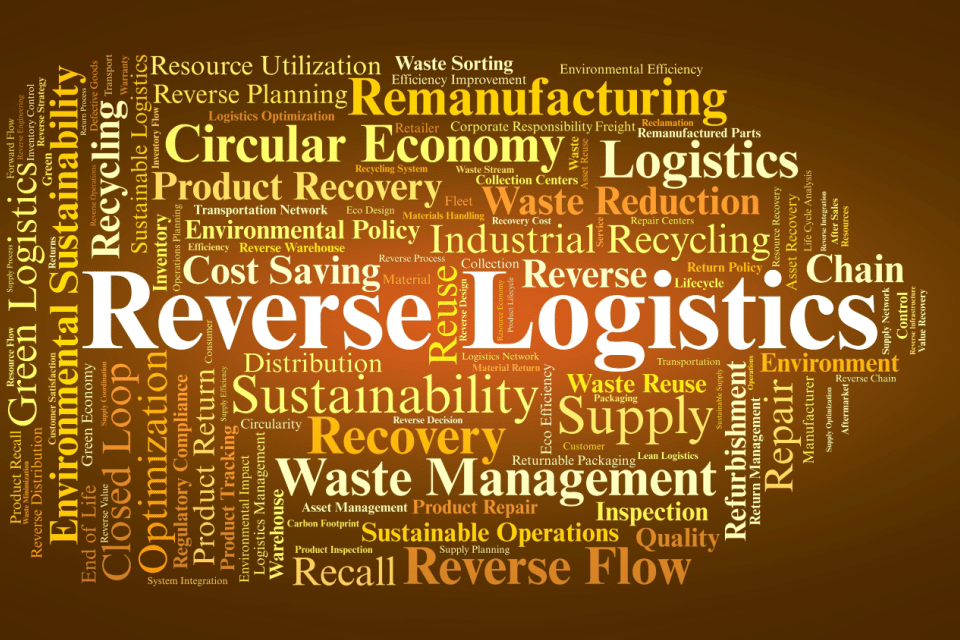
Reverse logistics is the backward movement of goods from the customer back upstream in the supply chain. While traditional logistics focuses on getting a product to the end user, this process exists to manage returns, inspection, resale, recycling, refurbishment, or disposal. The primary goals are to recover value, reduce waste, and improve overall customer satisfaction.
For direct-to-consumer (D2C) brands, this definition goes beyond simple returns. A robust reverse logistics definition encompasses the entire lifecycle of a product after the initial sale. It involves a series of coordinated steps to handle products that flow backward through the supply chain efficiently.
Most consumer brands understand that the customer journey doesn’t always end at delivery. When a sweater doesn’t fit or has an electronic device malfunction, the return journey begins. How a company handles reverse logistics in their daily operations directly impacts their bottom line and customer loyalty.
Understanding Reverse Logistics in D2C Fulfillment
In the context of direct-to-consumer (D2C) brands, reverse logistics acts as a critical branch of supply chain management. It is the organized system that moves goods from their typical destination, the customer, back to a central fulfillment operation. Once there, items undergo evaluation to determine the appropriate next steps.
While traditional logistics focuses on speed and accuracy in getting orders out the door, reverse logistics require a different set of operational muscles. It involves inspecting the condition of the product, verifying the reason for the return, and deciding the most profitable or sustainable path forward.
A fulfillment-led approach to returns ensures that this process is seamless rather than disruptive. When a customer drops a package in the mail, it triggers a workflow designed to recover value quickly. Returned items are typically routed to a fulfillment center where trained staff inspect them against specific criteria. Based on this evaluation, the inventory flows into one of several endpoints:
- Restock: Items in pristine, sellable condition are returned to active inventory to be sold again immediately.
- Resale Channels: Products that cannot be sold as “new” but are still functional may be routed to secondary marketplaces or “open box” sales channels.
- Refurbishment: Some goods may require minor rework, cleaning, or repackaging before they can re-enter the supply chain.
- Donation: Brands may choose to donate usable items that do not meet resale standards, supporting corporate social responsibility goals.
Reverse Logistics vs Forward Logistics in Ecommerce
In ecommerce, logistics can be split into two distinct streams: forward and reverse. While they are both part of the same supply chain, their objectives and processes are fundamentally different.
Forward logistics is the traditional flow of goods that most people are familiar with. It is the process of moving products from a fulfillment center to the end customer. This journey involves picking items from warehouse shelves, packing them securely, and shipping them out for delivery.
Reverse logistics, on the other hand, handles the return journey. It begins when a customer sends an item back and ends when that item is processed at a fulfillment operation. This workflow involves receiving the return, inspecting the product’s condition, and making a final decision on its disposition.
What Reverse Logistics Includes for Consumer Brand Returns
For D2C brands, reverse logistics is more than just accepting returns. It is a comprehensive system with several interconnected activities designed to manage the entire post-purchase product lifecycle efficiently. Each step plays a role in recovering value, satisfying customers, and streamlining operations.
- Returns Management and Exchanges – This component covers the customer-facing side of returns, such as providing a portal for customers to initiate a return or an exchange for a different size or color.
- Receiving, Inspection, and Condition Grading – Once a returned item arrives at the fulfillment center, it is immediately received and inspected. Warehouse staff evaluate each product against predefined criteria to grade its condition, ensuring items are sorted quickly and consistently.
- Resale and Reintegration – Products deemed to be in new, sellable condition are put back into active inventory to be sold again to another customer.
- Repackaging and Value Recovery – Many returned products only need minor attention to become sellable again. This step involves activities like rebagging apparel, reboxing electronics, or relabeling items to prepare them for restocking.
- Recycling, Donation, and Disposal – When an item cannot be resold or repaired, responsible handling is crucial. This may involve sending products to a certified recycling facility, donating usable goods to charitable organizations, or disposing of them in an environmentally compliant manner.
- Packaging and Waste Management – Effective reverse logistics also includes managing the waste generated from returns, such as old shipping boxes and packing materials.
Reverse Logistics Process Steps for D2C Returns
A well-structured reverse logistics process turns a potentially chaotic experience into a predictable and efficient workflow. For D2C brands, this operational discipline is key to protecting margins and maintaining customer trust.
Here is how a return flows operationally through a fulfillment center:
- Receive the Returned Product: The process begins when the returned package arrives at the fulfillment center’s receiving dock. It is scanned and logged, officially starting its journey back into the supply chain.
- Inspect and Grade the Product: A trained team member opens the package to inspect the item’s condition. The product is graded against clear, predetermined standards – is it in brand-new condition, lightly used, or damaged?
- Apply Disposition Rules: Based on the inspection grade, a specific disposition rule is applied. These rules, set by the brand, determine the item’s next step.
- Process the Return in the WMS: Every action is recorded in the Warehouse Management System (WMS). This digital record-keeping provides visibility into the return’s status, the inspection outcome, and its final disposition, creating an audit trail for every item.
- Update Inventory Availability: The WMS update automatically adjusts inventory levels. This ensures the brand has an accurate, real-time view of sellable stock, which is critical for making smart buying and inventory replenishment decisions.
- Trigger the Customer Outcome: Once the return is processed internally, the system triggers the final customer-facing action. Depending on the brand’s policy and the item’s disposition, this could be an automatic refund, a shipment of a replacement product, or the processing of an exchange
How FIDELITONE Handles Return Orders
Managing returns effectively requires a system that is both flexible and precise. At FIDELITONE, we support D2C brands by integrating returns directly into our order fulfillment services, ensuring that reverse logistics operate with the same efficiency as outbound shipping.
There are two primary methods for how we receive, and process return orders:
- Manual Entry: Clients can email return details directly to our team. We then manually enter and process the return within our Warehouse Management System (WMS).
- Return Authorization (Integration): A Return Authorization (RA) order is generated automatically through a system integration. This is the preferred method for most high-volume D2C brands, as it improves accuracy, reduces manual touchpoints, and speeds up processing time. FIDELITONE’s integration with commerce platforms and ERP’s like Shopify and NetSuite enable seamless and timely returns processing.
Common Reasons Customers Return Products
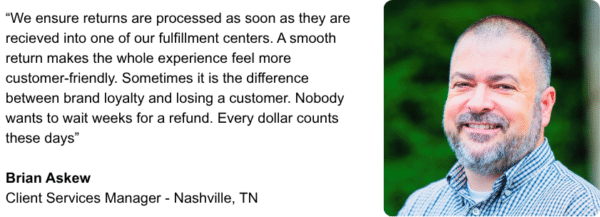
To optimize reverse logistics, brands must first understand the root causes driving the backward flow of inventory. While “returns” are often viewed as a single monolithic problem, they actually stem from various distinct triggers. Understanding these reasons helps brands categorize incoming volume and implement specific strategies to reduce it.
Returns generally fall into two categories: those initiated by the consumer and those driven by inventory management strategies.
Customer-Driven Returns
Most of the reverse logistics volume in D2C comes from individual customers sending back single orders. The most common reasons include:
- Fit and Sizing Issues: Particularly in apparel and footwear, this is the leading cause of returns. When a customer orders a “Medium” that fits like a “Small,” the item comes back.
- Product Did Not Match Description: This occurs when the physical item differs from the digital representation. The color might be off, the texture unexpected, or the features different than advertised, leading to dissatisfaction.
- Damaged or Defective: If a product arrives broken due to shipping stress or has a manufacturing defect, the return is immediate and often involves a replacement request.
- Wrong Item Sent: Fulfillment errors, such as picking the wrong SKU or color, force a return that is entirely preventable on the operations side.
- Buyer’s Remorse: Sometimes, a customer simply changes their mind, finds a better price elsewhere, or realizes they don’t need the item.
Inventory and Seasonal Management
Reverse logistics also handles the movement of goods that aren’t “returns” in the traditional consumer sense but still require processing at the fulfillment center.
- Excess Stock and Balancing: Brands may pull inventory back from retail partners, pop-up shops, or forward-stocking locations to consolidate goods at a central hub.
- Seasonal Redistribution: As seasons change, unsold seasonal inventory (like winter coats or holiday-themed items) is often returned to the main warehouse to be stored, discounted, or sold to liquidation channels to make room for new SKUs.
Why Reverse Logistics Matters for Consumer Brands
An effective reverse logistics strategy is far more than a cost of doing business; it is a critical driver of profitability and brand loyalty. For D2C brands, mastering the return process directly impacts customer satisfaction, financial health, and operational efficiency.
Enhances Customer Satisfaction and Loyalty
A simple, transparent, and fast returns process is a powerful tool for building customer trust. When a customer knows they can easily send back an item that doesn’t fit or meet their expectations, they are more confident in making a purchase in the first place. A fulfillment-led operation that quickly processes a refund or ships an exchange turns a potentially negative experience into a positive brand interaction, encouraging repeat business and fostering long-term loyalty.
Controls Costs and Protect Margins
Without a structured process, returns can quickly erode profits through high shipping costs, manual labor, and lost product value. An optimized reverse logistics system reduces these expenses by consolidating shipments, automating processes, and minimizing the time a product spends in transit. By quickly inspecting and dispositioning items, a fulfillment partner helps brands recover maximum value, whether through restocking, refurbishment, or resale, directly protecting the bottom line.
Improves Inventory Management and Cash Flow
Returned products sitting in a corner of a warehouse represent trapped cash and inaccurate inventory counts. Efficient reverse logistics ensures that returned goods are processed swiftly, and the brand’s Warehouse Management System (WMS) is updated in real-time. This provides an accurate view of sellable stock, enabling better purchasing decisions and preventing over-ordering. Getting pristine items back into inventory faster shortens the cash conversion cycle, turning a returned asset back into revenue.
Supports Sustainability and Corporate Responsibility
Modern consumers increasingly prefer brands that demonstrate a commitment to environmental responsibility. A well-managed reverse logistics program provides a framework for handling returned products in a sustainable way. Instead of sending all returns to a landfill, a fulfillment operation can segregate items for donation, recycling, or responsible disposal. This not only reduces waste but also enhances the brand’s reputation as an environmentally conscious company.
Reverse Logistics Challenges in D2C Returns
While a well-oiled reverse logistics machine can be a competitive advantage, getting there is not without its difficulties. For many D2C brands, managing the backward flow of inventory presents a unique set of operational and financial hurdles. Without a clear strategy and the right fulfillment partner, these challenges can quickly spiral, impacting everything from customer satisfaction to the company’s bottom line.
The Challenge of Cost
Returns are inherently expensive. Unlike forward logistics, where costs are predictable, reverse logistics involves numerous variable expenses that can add up quickly.
- Transportation: The cost to ship an item back from the customer to the fulfillment center is a significant expense, especially when brands offer free returns.
- Labor: Each returned item requires manual handling. Employees must receive the package, open it, inspect the product, grade its condition, and route it to the correct destination.
- Storage: Returned products take up valuable warehouse space.
The Challenge of Speed
In the world of returns, time is a critical factor. Delays in processing can create a ripple effect that harms both customer relationships and inventory health.
Slow processing means customers must wait longer for their refunds or exchanges. This delay creates frustration and can erode the trust a brand has worked hard to build. A shopper left waiting for their money is unlikely to make another purchase soon.
Furthermore, every day a returned item sits unprocessed is another day it represents tied-up capital. Sellable inventory is not available for purchase, and its value may even decrease over time, especially for seasonal or trend-based products. This “dead stock” represents a missed opportunity for revenue and can disrupt inventory forecasting.
The Challenge of Visibility
One of the most significant struggles for D2C brands is maintaining visibility over their returned inventory. Without integrated systems, it is easy to lose track of where a product is in the returns cycle.
This lack of visibility makes it nearly impossible to provide customers with accurate status updates, leading to an increase in support tickets and customer anxiety. Internally, it creates uncertainty in inventory management. If a brand doesn’t know how many returned items are sellable or when they will be back in stock, it cannot make accurate decisions about reordering or marketing promotions. This operational blindness prevents brands from effectively managing their assets and planning for future demand.
KPIs to Measure Reverse Logistics Performance
To improve reverse logistics, you must first measure it. Key Performance Indicators (KPIs) provide D2C brands with the data needed to understand efficiency, identify bottlenecks, and make strategic decisions.
Here are the essential KPIs for measuring reverse logistics performance:
- Return Rate: This fundamental metric calculates the percentage of items sold that are returned.
- Time to Refund: This measures the average time from when a customer initiates a return to when they receive their refund or exchange.
- Processing Turnaround Time: This KPI tracks the time it takes for the fulfillment center to process a return from the moment it is received at the warehouse to its final disposition.
- Cost per Return: This calculates the total expense associated with processing a single return, including shipping, labor, and materials.
- Recovery Value Rate: This measures the percentage of a product’s original value that is recovered through the reverse logistics process.
- Restock Rate: This is the percentage of returned items that are in pristine condition and can be put directly back into active inventory.
- Refurbishment Yield: This KPI tracks the percentage of returned items that are successfully refurbished and made sellable again.
- Disposal Rate: This measures the percentage of returned items that cannot be restocked, refurbished, or donated and must be discarded.
At FIDELITONE, we help you stay on top of these critical metrics by committing to a 24-hour processing turnaround for all returns. This speed is essential for maintaining accurate inventory levels, allowing you to make smarter buying decisions without second-guessing your stock counts. By getting products back on the shelf quickly, we help you generate revenue faster and prevent sellable items from becoming dead stock, ensuring your assets remain liquid and profitable.
How Fulfillment Partners Support Reverse Logistics and Why It Matters
For D2C brands, managing the backward flow of products can be just as complex as shipping them out. This is where a dedicated fulfillment partner becomes a strategic asset, transforming reverse logistics from a logistical headache into a well-managed system that protects profits and enhances the customer experience. By outsourcing this function, brands gain access to expertise, infrastructure, and technology specifically designed to handle returns with speed and precision.
What a Fulfillment Partner Does
A fulfillment partner brings operational discipline to the often-chaotic world of returns. They integrate reverse logistics directly into their warehouse operations, creating a seamless flow that minimizes delays and maximizes value recovery. Their role is to execute a clear, repeatable process for every returned item.
- Receives and Standardizes Processing: The partner takes ownership the moment a returned product arrives at the warehouse. They implement a standardized receiving process, ensuring every package is logged, scanned, and moved to a dedicated inspection area efficiently.
- Inspects and Grades Items Consistently: Trained teams inspect each product against the brand’s specific criteria. They grade the item’s condition, is it pristine, lightly used, or damaged? Which is the critical first step in determining its future path. This consistent grading ensures that business rules are applied fairly to every return.
- Applies Disposition Rules: Based on the inspection grade, the fulfillment partner applies the brand’s predetermined disposition rules. This crucial step routes the item to its next best outcome, whether it’s being restocked for full-price sale, sent for refurbishment, donated to charity, or responsibly recycled.
- Processes Returns in the WMS: Every action is recorded in the Warehouse Management System (WMS). This digital record-keeping provides real-time visibility into the return’s status and outcome, automatically updating inventory counts to ensure the brand has an accurate picture of available stock.
Why Brands Use a Fulfillment Partner
Choosing to partner with a 3PL for reverse logistics is not just about offloading a task; it’s a strategic decision that delivers tangible business outcomes. Brands gain efficiency, improve customer satisfaction, and strengthen their financial position. A 3PL partner should provide a robust returns management solution in addition to an outbound fulfillment solution creating a holistic solution for brands.
- Better Customer Experience: Partners process returns faster, which means customers receive their refunds, credits, or exchanges sooner. This speed, combined with clear communication powered by WMS data, turns a potentially negative experience into a positive one, building trust and encouraging repeat purchases.
- Greater Efficiency and Scale: Fulfillment partners leverage standardized workflows and economies of scale that most individual brands cannot achieve on their own. Their established processes and trained staff handle returns with a level of efficiency that reduces costs and minimizes errors, freeing up the brand to focus on growth.
- Improved Value Recovery: With expert inspection and smart routing, partners ensure that returned products are directed to their highest-value destination. Faster back-to-stock decisions get sellable items back into inventory quickly, converting a potential loss into a revenue opportunity and protecting margins.
- Ability to Handle Volume Spikes: Returns are not consistent; they often spike after holidays or major sales events. A fulfillment partner has the physical space, labor resources, and operational flexibility to absorb these surges without falling behind, ensuring that performance remains consistent even during the busiest times.
Reverse Logistics Services With FIDELITONE
At FIDELITONE, we view reverse logistics as a natural extension of our D2C order fulfillment operations. Managing returns effectively is not a separate function; it is an integral part of a healthy supply chain that requires the same level of precision and efficiency as outbound shipping. We support consumer brands by seamlessly integrating returns management into our comprehensive order fulfillment services.
Our process is designed for clarity and speed. When a product is returned to a FIDELITONE facility, it is received, inspected, dispositioned, and processed according to your brand’s specific rules. We are committed to processing all returns within 24 hours of receipt. This benchmark is critical for keeping your inventory data accurate and enabling the faster resale of eligible items, turning a potential loss back into a revenue opportunity. By handling the backward flow of goods with discipline, we help you protect your margins, enhance customer loyalty, and maintain a clear view of your available stock.
If you are looking to strengthen your returns process and turn it into a competitive advantage, our team is here to help.
Contact us to learn more about our fulfillment and reverse logistics services.
FIDELITONE helps you earn customers’ loyalty through specialized services in inbound logistics, order fulfillment, last mile delivery and service parts management.
Newsletter Sign Up
Recent Posts
-
What Is Reverse Logistics? How 3PLs Support D2C Returns
Reverse logistics is the backward movement of goods from the customer back upstream in the…
-
Understanding 3PL Pricing & Costs
If you are wondering how much 3PL costs, the most accurate answer is that it…
-
Fulfillment Center vs Warehouse vs Distribution Center: What’s the Difference?
These terms often get used interchangeably, but they have different capabilities and the differences significantly…
Are you interested in order fulfillment or last mile delivery services? Consult with a FIDELITONE expert to discuss how we can help.